What Students Can Learn from the 2016 SAT Re-Design


This is a guest post by Joel Butterly, CEO of inGenius prep.

In part one of this two-part post, I referenced five ways to differentiate yourself in preparation for applying to college.
The first five tips were:
 As it gets more and more difficult to be accepted to college, students everywhere are keen to stand out. The good news is that with just a little thought, and some planning, you can. Here's a handy-dandy “top ten” list of sure-fire ways to distinguish yourself when applying to college. In part 1, I’ll share my first five tips, and in part two (to come in a few weeks) I’ll round out my top ten.

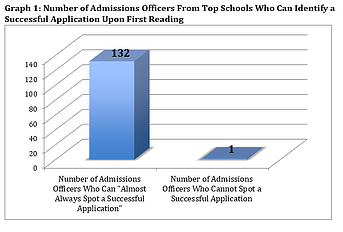
Every time a reader picks up a new application, he or she must wonder: "Is this going to be another generic snooze-fest of an essay or the dynamic proclamation of an individual thinker?" Guess into which category you want to fall?

I recently spoke with a former college admissions officer who mentioned that a lot of applicants fail to give supplemental essays their proper attention. Instead, these students focus all of their energy on the main essay. While it’s obviously important to have a knockout personal statement, overlooking the supplemental essays could be a fatal error in judgment. Every individual piece of your application matters. Here’s how to maximize the positive impact of your college application supplemental essays.
The personal statement isn’t your life story – it’s one story, hopefully with a lot of character and detail, but still – just one story. The supplements allow you to mine from other stories in your life – various skills, interests, or challenges you’ve overcome. Use your quirks, your passions, and your unique life experiences to give your application greater depth. It’s an opportunity to share another side of yourself – something that wouldn’t necessarily be on your resume. Doing so will give the admissions committee a fuller picture of who you are. Your supplemental essays should help illustrate the many facets of your personality, and you’ll leave the impression of a real person instead of just grades on a page.